Akko from Tel Aviv
Ninety minutes north, a living mixed city stands on a complete Crusader city — the Hospitaller halls run beneath the Ottoman streets, a Templars’ tunnel slips under the town to the sea, and the walls turned Napoleon back in 1799.
The short version
- Trains run Tel Aviv to Akko in about ninety minutes on the coastal line (rail.co.il), with the old city a short taxi or twenty-minute walk from the station — and the midweek rule per this network’s standing Tel Aviv Shabbat clock governing the date.
- Old Acre carries UNESCO listing for exactly the alarm’s reason: an Ottoman-era walled town built directly over the intact remains of the Crusader capital — the rare case of one complete historic city preserved beneath another, both walkable in a day.
- The Hospitaller fortress is the underground headline: the Knights’ halls — the vaulted refectory, the pillared dining hall, courtyards and crypts of the military order’s 12th–13th-century headquarters — excavated beneath the citadel and toured on the old city’s combined ticket (akko.org.il).
- The Templars’ Tunnel per the alarm runs the second underground act: a 350-meter passage the rival order cut beneath the town, linking their fortress quarter to the port — walked stooped and dramatic from end to end.
- The Ottoman layer is the living city: the Al-Jazzar Mosque’s green-domed courtyard (visited respectfully outside prayers), Khan al-Umdan’s colonnaded caravanserai by the port, the covered market’s spice-and-fish register, and the mixed Jewish-Arab city’s daily life running through all of it — visited at its own pace per the alarm.
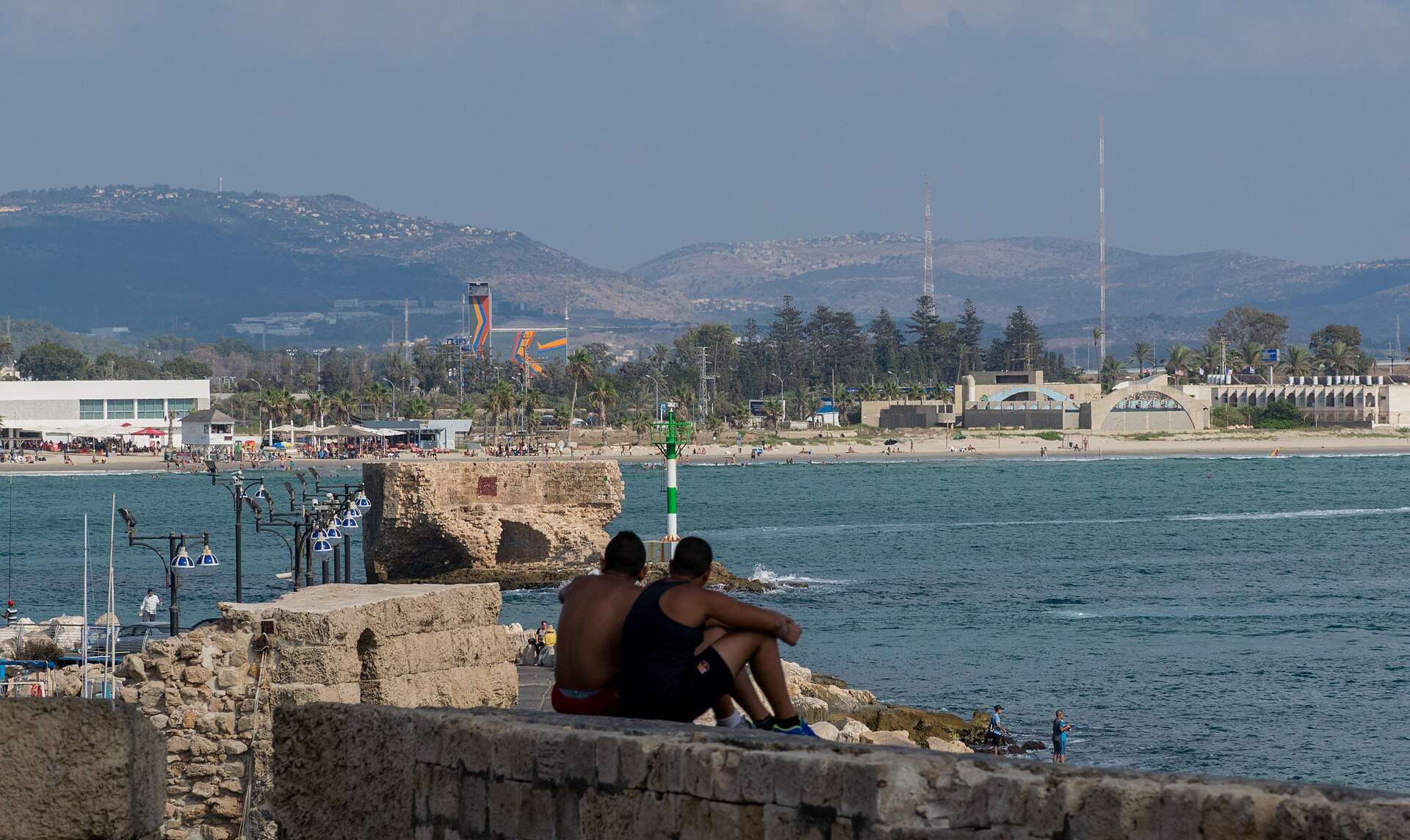
- The sea walls close the circuit with the 1799 fact: Napoleon besieged Akko for two months and failed — the walls, Ottoman defense, and British ships turned back the campaign that was meant to open the East — and the ramparts walk today reads the harbor, the fishing port, and the domes at golden light; the hummus institutions per the alarm settle lunch with arguments the town has run for generations.

Getting there
The coastal line makes it simple midweek — the Shabbat clock per standing law removes Friday-afternoon-through-Saturday from the plan — and the combined old-city ticket at the visitor center is the one purchase per the alarm: Hospitaller halls, tunnel, and the supporting museums bundled. Summer visits front-load the underground (naturally cool) against the coastal afternoon heat; the sea walls take any hour but pay best at day’s ends.
The day
The visitor center’s short film sorts the layers, then down: the Hospitaller halls’ scale lands immediately — the refectory’s Gothic ribs, the pillared hall’s forest of stone, ground level of the 1200s buried and preserved by the Ottoman town above. The Templars’ Tunnel follows across the quarter: the stooped walk under the living streets to the sea end, water sounding through the dark. Up in daylight, the Ottoman city takes over at the alarm’s own-pace clause: the mosque courtyard’s calm, the market’s produce-and-fish theater, Khan al-Umdan’s great courtyard by the port. The hummus argument resolves at lunch — the famous houses serve until the chickpeas run out, which argues an early-afternoon bowl. The sea walls close it: the ramparts’ circuit over the fishing harbor, the 1799 siege told by the cannons and plaques, and the lighthouse corner’s surf for the sitting. The train home runs the coast into the evening.
When to go
October through May runs the walking weather; summer works on underground-first discipline and coastal humidity honesty. Ramadan reshapes the market’s rhythm and evening life memorably — visited respectfully, it’s the old city at its most itself after dark. The midweek rule applies year-round per the Shabbat clock; Saturdays strand the trainless. Winter storms throw surf over the sea walls photogenically and close the rampart edges the town ropes accordingly.
Frequently Asked Questions
How is a whole city preserved underneath another?
When Acre fell in 1291, the Crusader city was ruined and abandoned; centuries later the Ottoman town was built at a higher level over the filled remains — entombing the halls rather than erasing them. Excavation from the 20th century onward opened the buried level. You walk 13th-century ground floors under 18th-century streets, which is the site’s singular sensation.
What’s the tunnel’s story?
The Templars — headquartered in Acre’s southwest after Jerusalem’s loss — cut the passage beneath the town in the 12th–13th centuries to link their fortress to the port securely. Rediscovered in 1994 (a blocked drain complaint, famously), it now walks end to end with boardwalks and low ceilings. It’s the underground’s second act and children’s favorite.
Why did Napoleon fail here?
In 1799 his eastern campaign stalled at Akko’s walls: two months of siege broke against Ottoman defense under al-Jazzar, British naval guns offshore, and the walls themselves — and the retreat that followed ended the dream of a French East. The town treats the fact with proprietary satisfaction, and the ramparts are the receipt.
Is the old city comfortable to visit?
As a living mixed city, per the alarm’s framing — a working market, a fishing port, families in the lanes — visited at guest register: dress moderately, ask before photographing people, respect the mosque courtyard’s rhythm. The welcome is real and the hummus houses treat everyone with the same impatient generosity.
Akko or Caesarea from Tel Aviv?
Both documented on this network: Caesarea for Herod’s harbor and the Pilate stone under an hour away with a beach attached; Akko for the deeper day — two cities stacked, a living market, and the tunnel. Roman versus Crusader-Ottoman — the honest Tel Aviv week runs both up the same coast on separate midweek days.