Tel Aviv Day Tours
I’m Serious Day Tour Man AI, your day trip expert. Ask me anything — where to go, how to get there, and what’s actually worth your day.
Tel Aviv’s day-trip geography is compact and extraordinary: Jerusalem’s Old City is an hour away, a desert fortress above the Dead Sea makes the world’s strangest swim possible before lunch, and Roman harbors, Crusader tunnels, and hanging Persian gardens line the coast north.
Two structural facts organize everything. First, Shabbat: public transit stops from Friday afternoon to Saturday night, which redraws every weekend plan. Second, the region’s situation can change quickly — check your government’s current travel guidance before booking, and know that reputable tours adjust routes as conditions require.
Here’s what’s worth a day, with real times and honest trade-offs.

Popular Day Trips
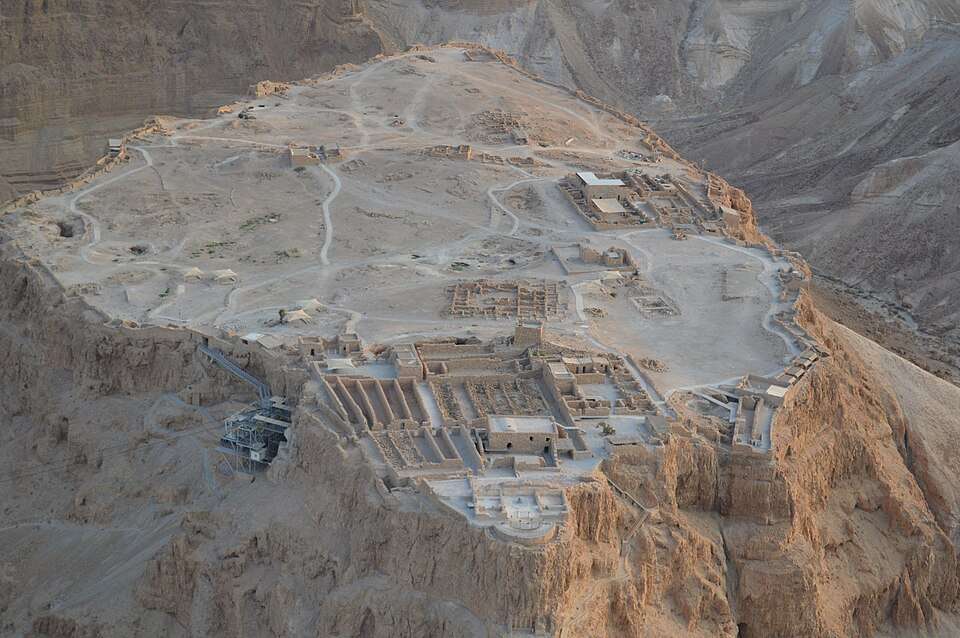
Masada
The Snake Path Decision, the Heat Rules
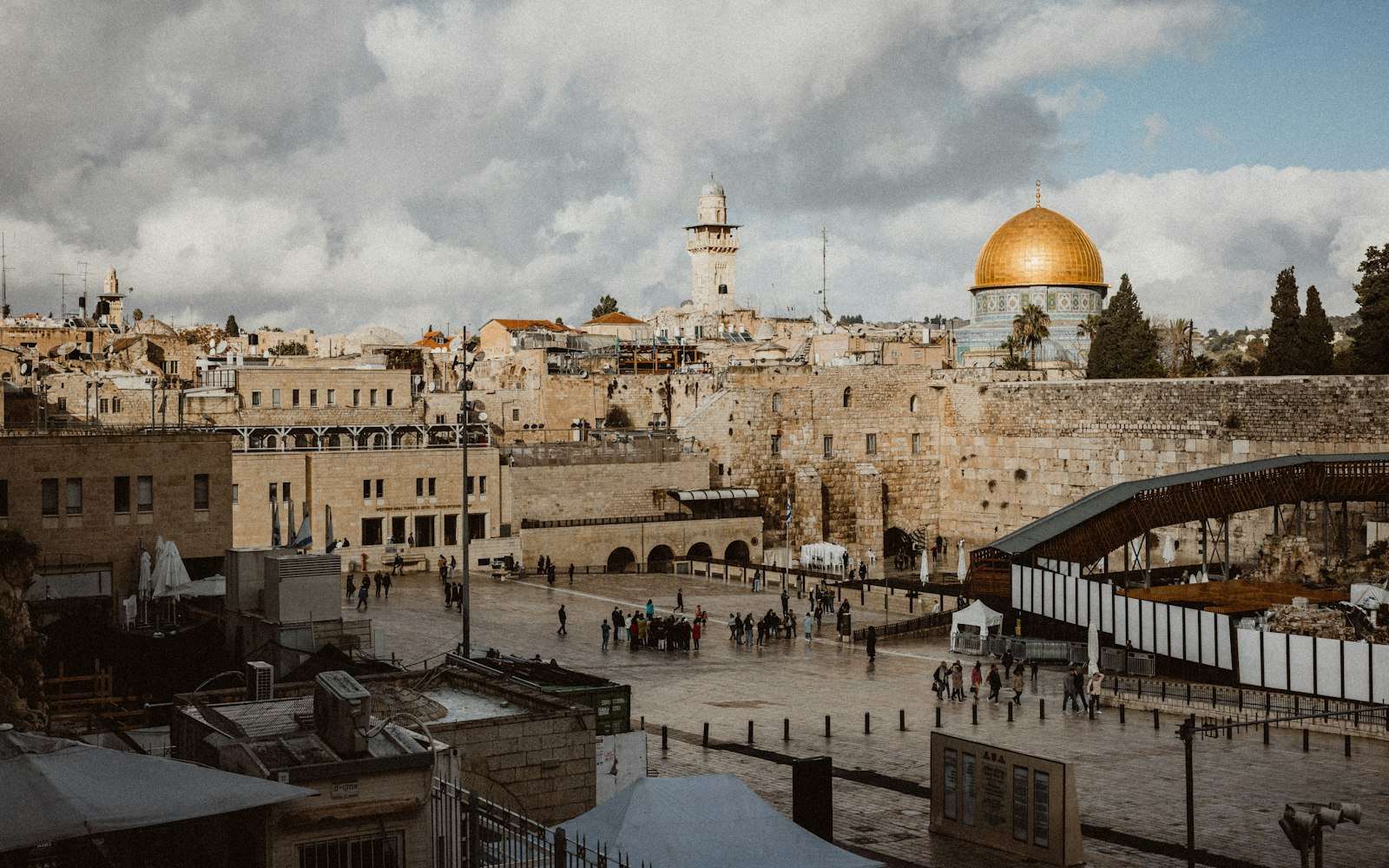
Jerusalem
The Forty-Minute Train, the Shabbat Clock
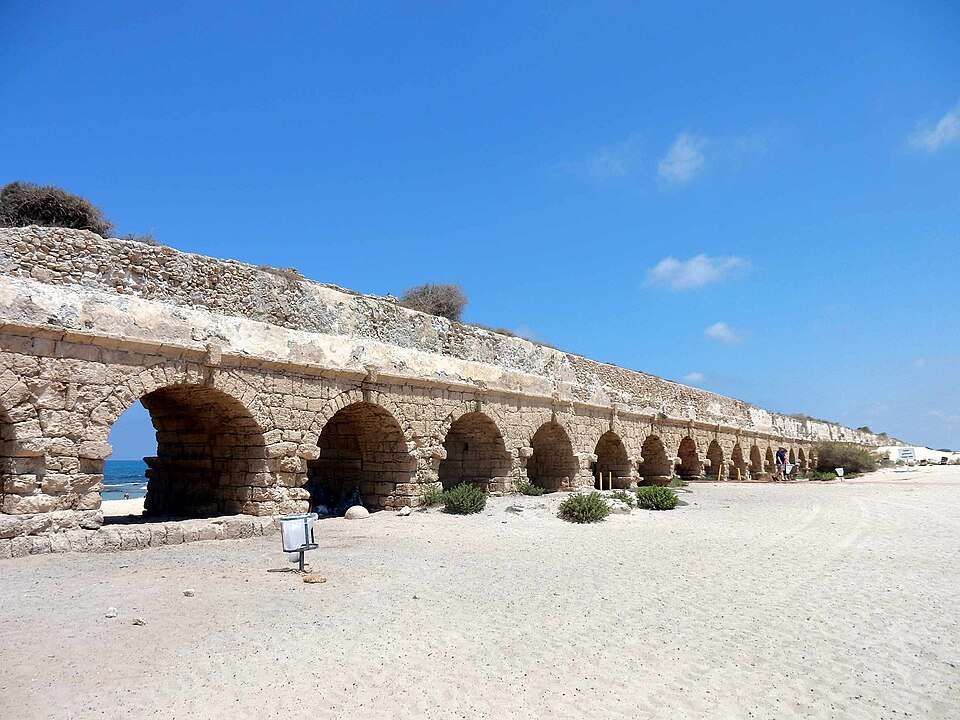
Caesarea
Herod’s Harbor, the Pilate Stone
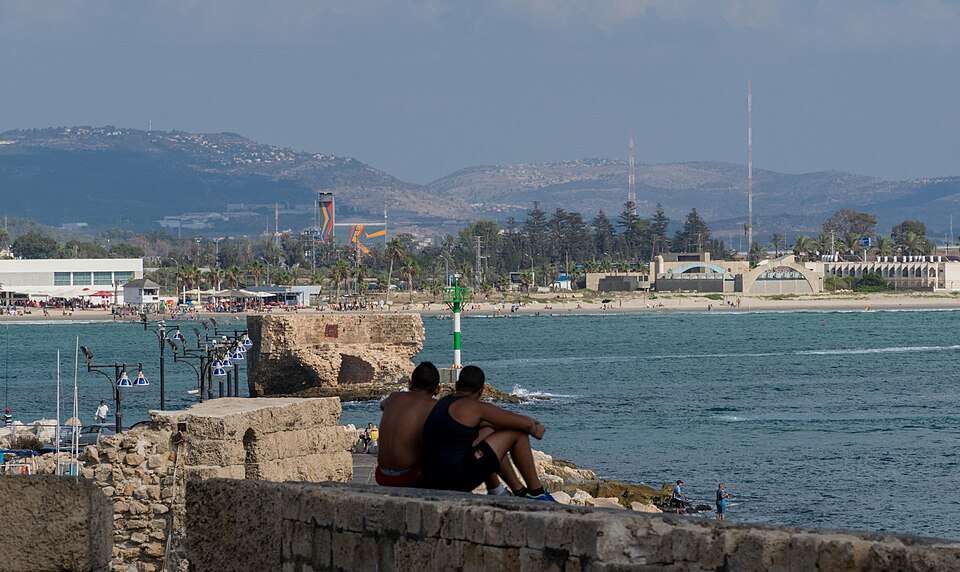
Akko
The Crusader City Underneath, the Templars’ Tunnel
Jerusalem — The Essential Hour Away
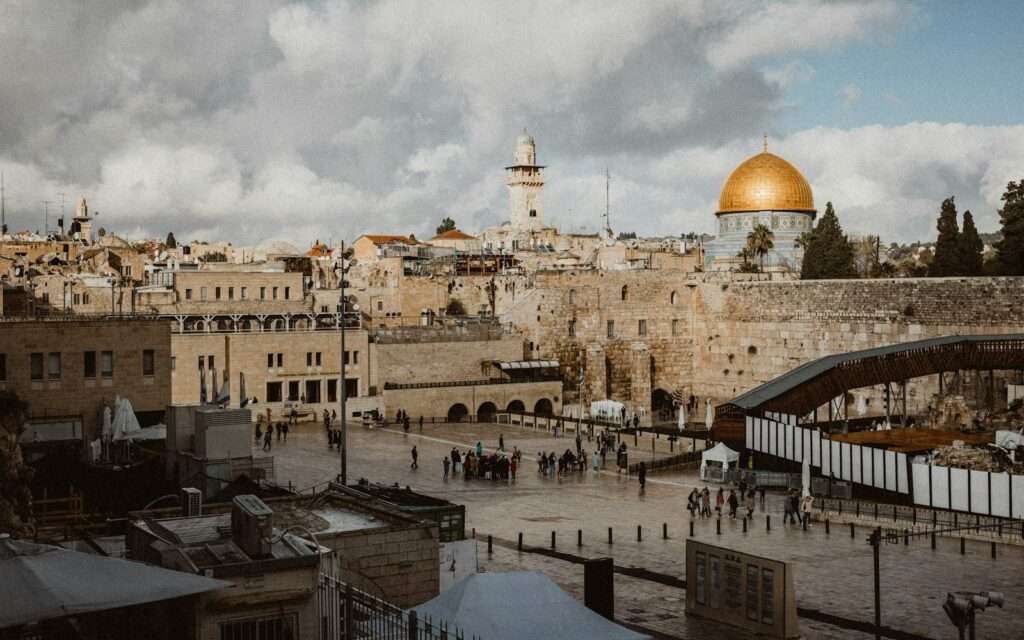
The day trip that outranks all others runs an hour east by road or under forty minutes by fast train to Yitzhak Navon station. The Old City’s single square kilometer holds the Western Wall, the Church of the Holy Sepulchre, the Dome of the Rock esplanade, and four quarters of layered centuries — walked best with a guide the first time, because the compression of history here defeats unassisted wandering.
The mechanics: dress modestly for the holy sites (shoulders and knees covered travels everywhere), non-Muslim visitors can access the Temple Mount esplanade only in limited morning windows via the Mughrabi ramp, and Friday afternoons wind the Jewish Quarter down for Shabbat while the Muslim Quarter’s Friday prayers peak — the calendar is part of the planning. The Mahane Yehuda market feeds the day; the Ramparts Walk gives the overview.
Yad Vashem, the Holocaust memorial, sits on the city’s western ridge: entry is free with timed reservation on the official site, the visit needs unhurried hours, and it pairs with nothing cheerful — schedule it with the weight it carries. A single day covers the Old City or Yad Vashem properly, not both; the honest format is two Jerusalem days from a Tel Aviv base, or the overnight.
Read the full Jerusalem day-trip page.
Masada & the Dead Sea — The Desert Double
Two hours southeast, the classic pairing runs a mountain fortress and the lowest place on earth. Masada is Herod’s plateau palace-fortress where the great revolt’s last holdouts died rather than surrender — a UNESCO site whose Roman siege works below remain the most complete anywhere.
The formats: the Snake Path opens about an hour before sunrise. The pre-dawn climb to watch the sun rise over the Dead Sea is the version people remember — 40-plus steep minutes, water mandatory. Know the heat rules: on extreme-heat days the path closes to ascent at 9 a.m., and summer makes the cable car the honest choice. Park entry and the cable car are separately ticketed, the multi-park Israel Pass covers entry but never the cable car, and winter through spring carries genuine flash-flood warnings — check the parks authority site before driving.
Then the swim: the Dead Sea’s hypersaline float is exactly as advertised. The rules the beaches post are earned — don’t shave that morning, keep the water out of your eyes absolutely, float on your back and never dive, and limit sessions to twenty minutes. Ein Bokek’s free public beaches are the maintained standard. Ein Gedi’s spring-fed canyon reserve, with its waterfalls and ibex, completes the trio; the full three-stop day runs twelve hours and fills them.
Read the full Masada day-trip page.
The Coast North — Caesarea, Haifa & Akko
The Mediterranean day stacks three eras heading north. Caesarea, forty-five minutes up, is Herod’s Roman harbor city: the restored theater still stages concerts, the hippodrome runs along the sea, and the aqueduct crosses the beach — an antiquities park you walk at swimming distance from the water.
Haifa, thirty minutes on, is the Baháʼí World Centre’s city: the shrine’s golden dome and the nineteen garden terraces cascading down Mount Carmel are the coast’s great composed view. Entry to the gardens is free; the upper balcony viewpoint is always open, while the terraces themselves are visited on free guided walks with schedules worth checking ahead. The German Colony’s restored avenue below aligns exactly with the terraces for the photograph.
Akko (Acre), twenty minutes further, is the day’s depth: the Crusader city that Ottoman Akko was built on top of — the knights’ vaulted halls, the templar tunnel under the streets, the working fishing harbor, and hummus at Said or its rivals that justifies the drive alone. The three-stop day is long but coherent; Caesarea plus one northern city is the relaxed version. The train serves all three towns for the car-free version.
Read the full Caesarea day-trip page.
Read the full Akko day-trip page.
Nazareth & the Galilee — The Northern Day
Ninety minutes northeast, the Galilee day pairs Nazareth with the lake. Nazareth’s Basilica of the Annunciation is the Middle East’s largest church, built over the grotto tradition marks as Mary’s home, with the courtyard’s international Madonna mosaics as the unexpected gallery. The old market climbs behind it, and lunch here — the town’s restaurant scene has real reputation — is part of the argument.
The Sea of Galilee circuit follows: Capernaum’s synagogue ruins and Peter’s house, the Mount of Beatitudes’ gardens above the lake, Tabgha’s loaves-and-fishes mosaic, and Magdala’s first-century synagogue — sites that read as one landscape, which is precisely their power for pilgrims and their interest for everyone else. The lake itself adds swimming beaches in summer and the Yardenit baptism site on the Jordan’s outflow.
This is the longest standard day from Tel Aviv — ten-plus hours — and it’s built for travelers to whom the geography means something. The secular version swaps the shrine density for Tzfat (Safed), the hilltop Kabbalah town of blue-painted artist lanes, and loses nothing.
Bethlehem — The Crossing, Stated Plainly
Bethlehem sits under an hour from Tel Aviv and inside the West Bank, which makes the mechanics the first fact: entry passes through a checkpoint, Israeli rental cars generally cannot be driven into Palestinian-administered areas under their insurance terms, and the practical formats are an organized tour from Tel Aviv or Jerusalem, or a licensed local guide met at the crossing. Carry your passport; the crossing is routine when conditions are calm.
The visit centers on the Church of the Nativity — the Constantinian basilica over the grotto, one of Christianity’s oldest continuously operating churches, where the queue for the grotto star runs long at midday and short at opening. Manger Square, the Milk Grotto, and the separation-barrier street art (including the much-photographed Banksy works and the Walled Off Hotel’s museum) complete the standard circuit.
Stated without politics: conditions in the region change, access rules can tighten at short notice, and this is the entry on this list most dependent on the current situation. Book with operators who monitor conditions daily, confirm the trip is running that week, and treat your government’s travel guidance as the deciding vote.
Jaffa, the Shabbat Rules & Tel Aviv Itself
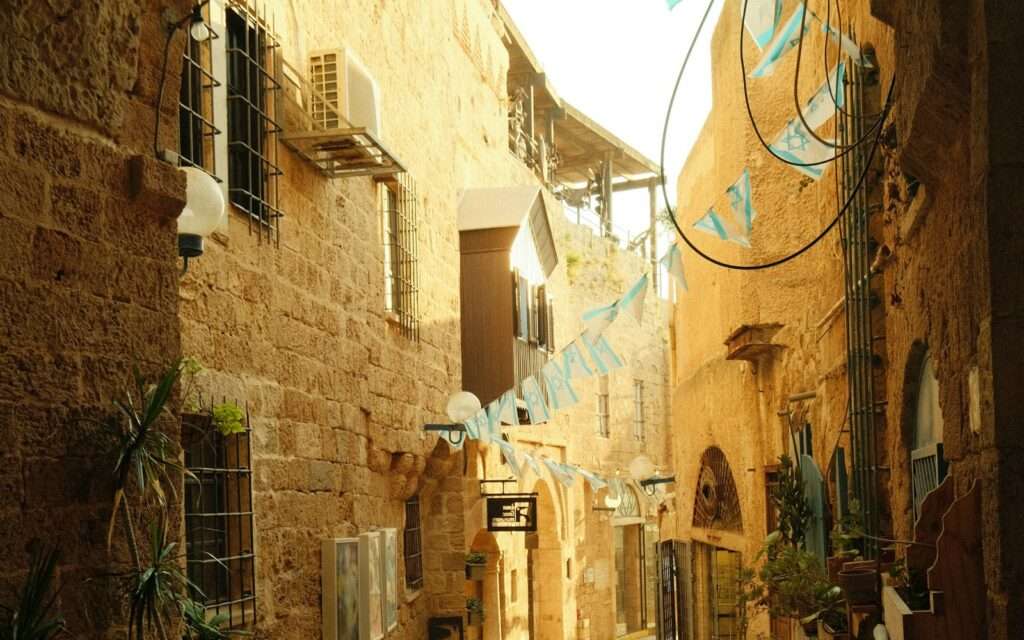
Old Jaffa is the city’s own excursion: the 4,000-year-old port, the flea market’s restored lanes where the antique dealers and the wine bars now share addresses, St. Peter’s church over the harbor, and the sunset view back across the whole Tel Aviv shoreline. Walk there along the beach promenade — forty minutes from the city center that double as the city’s best free attraction.
The Shabbat arithmetic governs weekends: buses and trains stop Friday afternoon and resume Saturday night, most businesses close, and the exceptions — Jaffa’s Arab-owned restaurants, the beaches at full capacity, shared sherut taxis on major routes — become the plan. Book any Saturday day trip as a tour with transport, or rent a car. Sunday is a working day; the weekend is Friday–Saturday, which reorganizes every itinerary built on European instincts.
The rest: the Carmel Market for the eating walk — arrive hungry, leave with burekas — Neve Tzedek’s restored quarter and the Bauhaus “White City” architecture that earned the UNESCO listing, the beach culture that is the city’s actual religion (matkot paddle-ball is the soundtrack; the separated religious beach and the dog beach bracket the spectrum), and a food scene that runs from Dr. Shakshuka institution-level to serious fine dining. April–June and September–November are the weather windows; July–August is beach-hot and humid; and winter is mild with real rain — the desert trips above shine then.
Frequently Asked Questions
How do you get from Tel Aviv to Jerusalem?
The fast train reaches Yitzhak Navon station in under 40 minutes; the road takes about an hour. Remember transit stops for Shabbat — Friday afternoon to Saturday night — so weekend visits mean a tour, a car, or a sherut.
Should you hike Masada or take the cable car?
The pre-dawn Snake Path for the sunrise is the memorable version — steep, 40-plus minutes, water mandatory. On extreme-heat days the path closes to ascent at 9 a.m., and summer makes the cable car (ticketed separately from entry) the honest choice.
What are the Dead Sea swimming rules?
Float on your back, never dive, keep the water out of your eyes, don’t shave that morning, and cap sessions around twenty minutes. Ein Bokek’s public beaches are free and maintained.
Can you visit Bethlehem from Tel Aviv?
Yes, via checkpoint — organized tours or a licensed local guide are the practical formats, since Israeli rental cars generally can’t cross. It’s the most situation-dependent trip here: confirm conditions and your government’s guidance that week.
What actually closes on Shabbat?
Public transit stops Friday afternoon to Saturday night, and most businesses close with it. Beaches, Jaffa’s restaurants, and sherut taxis carry the day — or book Saturday trips as tours with transport included.